


Images courtesy of A24
TONY— 4 STARS
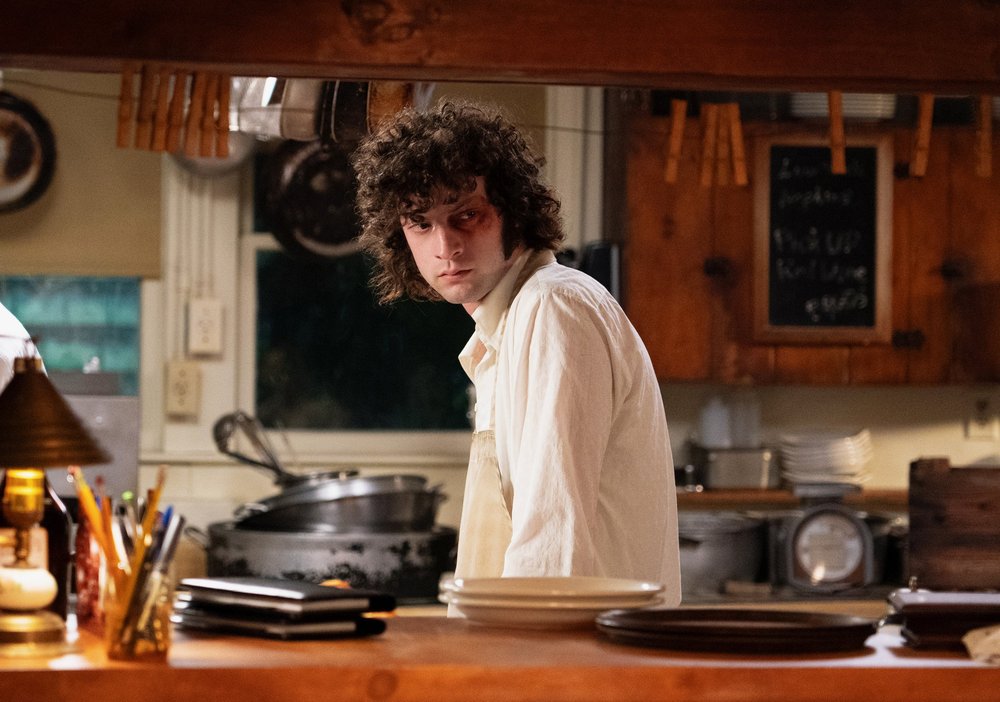
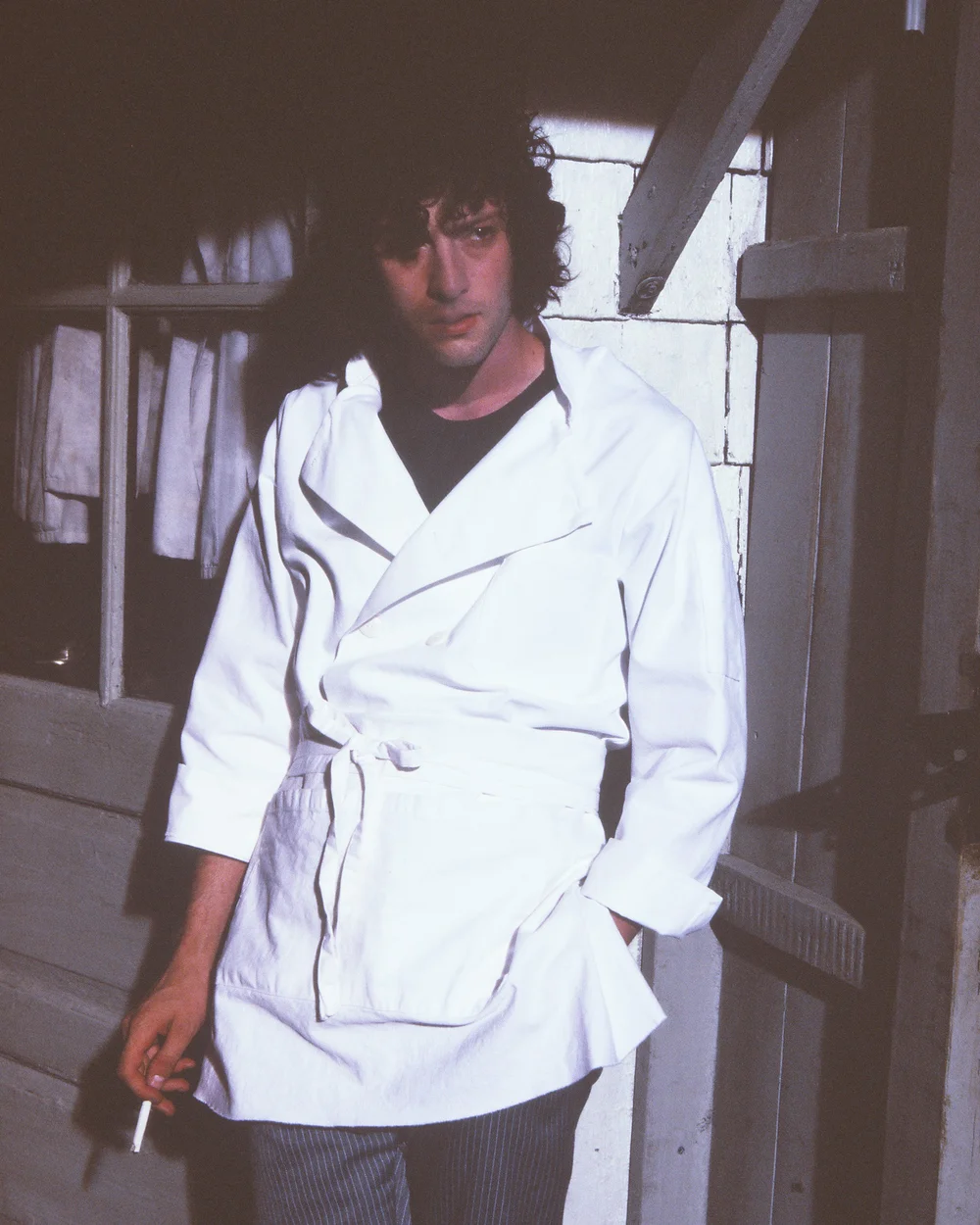
Tony is a magnetic and sometimes coarse character study of a college student entering the tumultuous summer of 1975 with grand plans to become the world’s next in-demand young novelist. Thinking he has a prestigious writing fellowship at Vassar College in the bag after a single interview espousing his high-brow concepts, the 19-year-old, played by The Holdovers’ out-of-nowhere discovery Dominic Sessa, carries himself like he’s hot shit and the smartest guy in the room. Showing the first signs of a selfish worldview, he flirts with girls armed with beer, shiny boots, a leather jacket, and an overly florid vocabulary, expecting them to fawn all over that very surface-level mystique.
LESSON #1: THE MAKINGS OF AN ASSHOLE— In Tony, directed by incisive rising filmmaker Matt Johnson of Nirvana the Band the Show the Movie and BlackBerry, we’re not watching the complicated rise of the next J. D. Salinger. We’re witnessing the prickly makings of, quite simply, an asshole. With each new early scene, Tony stacks lies that inflate his resume, ego, and foothold on any actual success, with no signs of slowing down in a parade of one bad choice after another. In many respects, that’s a difficult character to tolerate and root for.
Yet, with no grand pronouncement outside of the frank and harsh adjectives of self-assessment quoted on the film’s poster, this consummate liar before us happens to be the future (and late) bestselling author, travel documentarian, and celebrity chef Anthony Bourdain. Tony asks you to endure this portrait of a downright cad with the patience that even the worst traits of a person can be channeled—though never fully reversed—when the right life experiences can inspire a true trailblazer. Knowing who and what Tony turns out to be aids this film’s sense of draw.
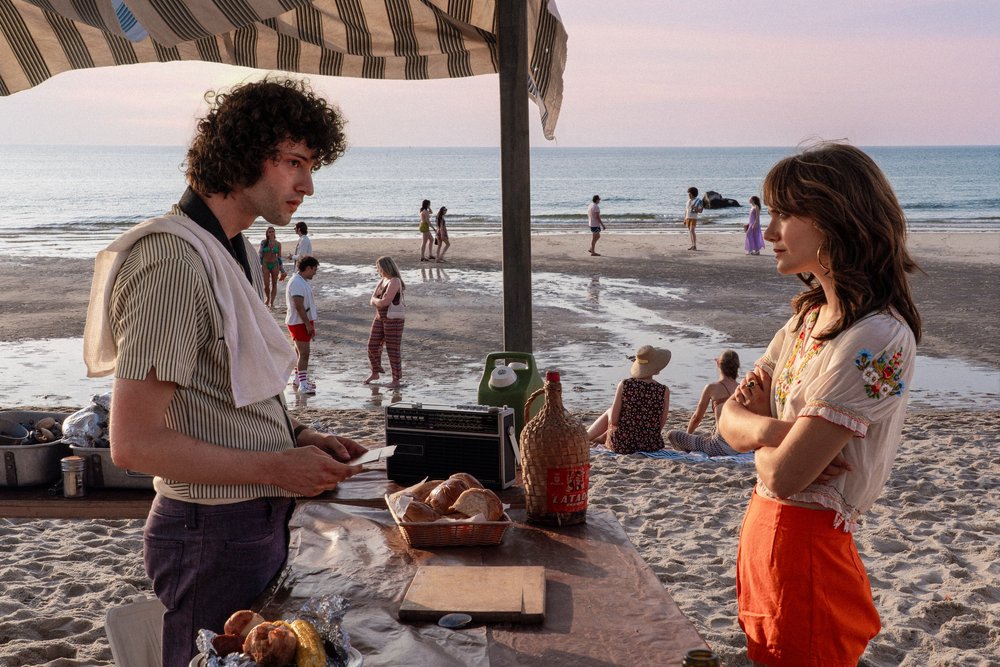
LESSON #2: HOW DO YOU HANDLE FAILURE?— Tony drops the bottom out from its main character fairly quickly after establishing the jerk’s persona. Bourdain is rebuffed by his fetching Vassar and high school classmate Nancy (CODA’s Emilia Jones) and doesn’t get the fancy fellowship. How Tony handles failure is by making more careless mistakes to try covering the previous ones, revealing the type of person he’s coded to be at this point. Refusing to reveal his failure to anyone, he leaves his proud family behind to flee to Cape Cod to pursue Nancy at her summer residence in Provincetown, Massachusetts. He concocts a story to her that he’s there for remote research work for the fellowship.
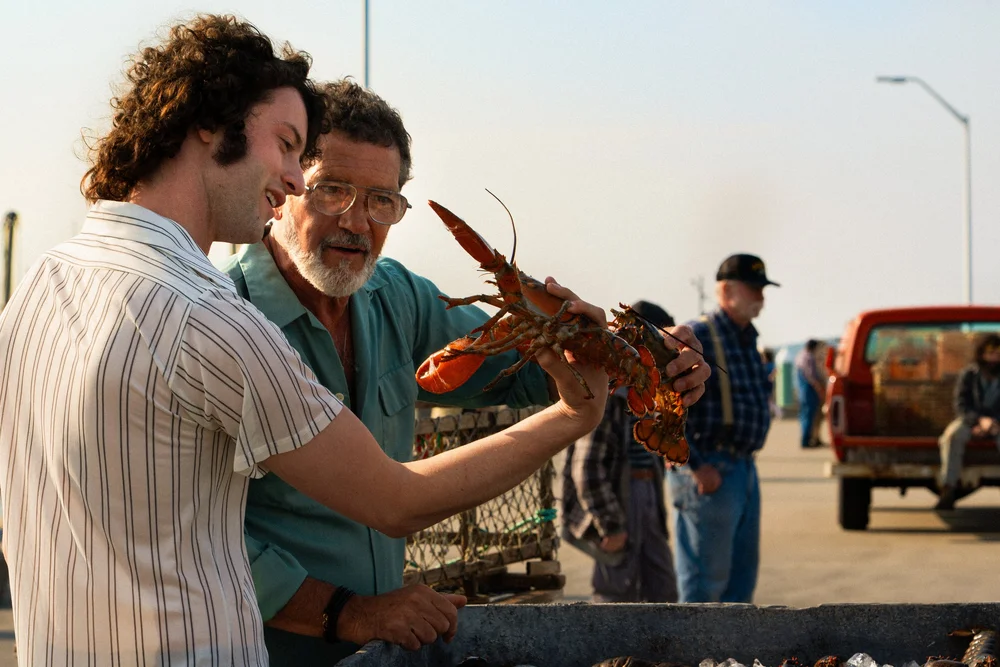
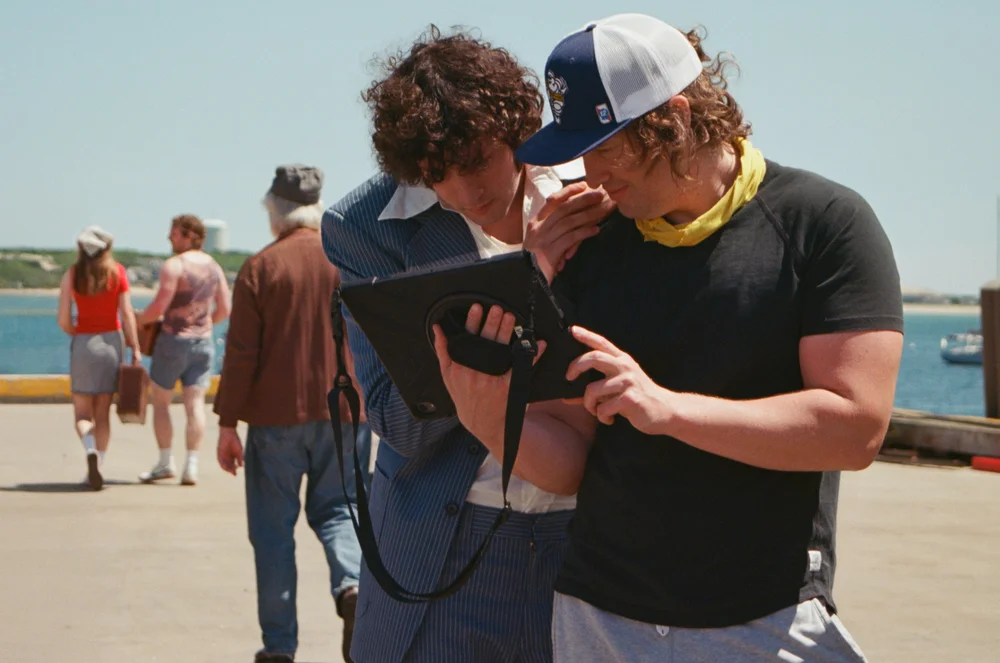
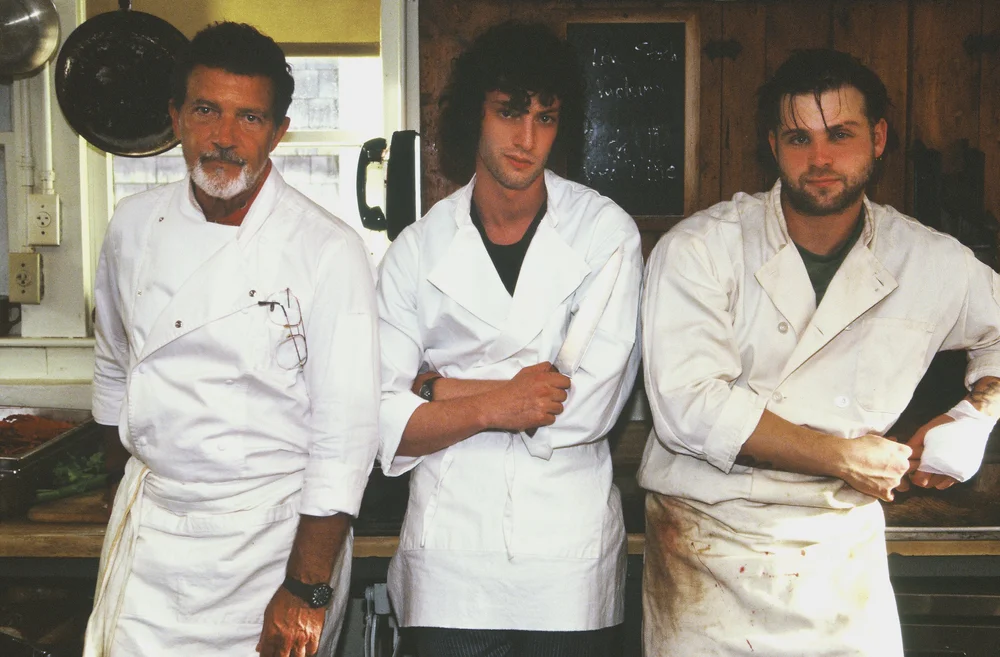
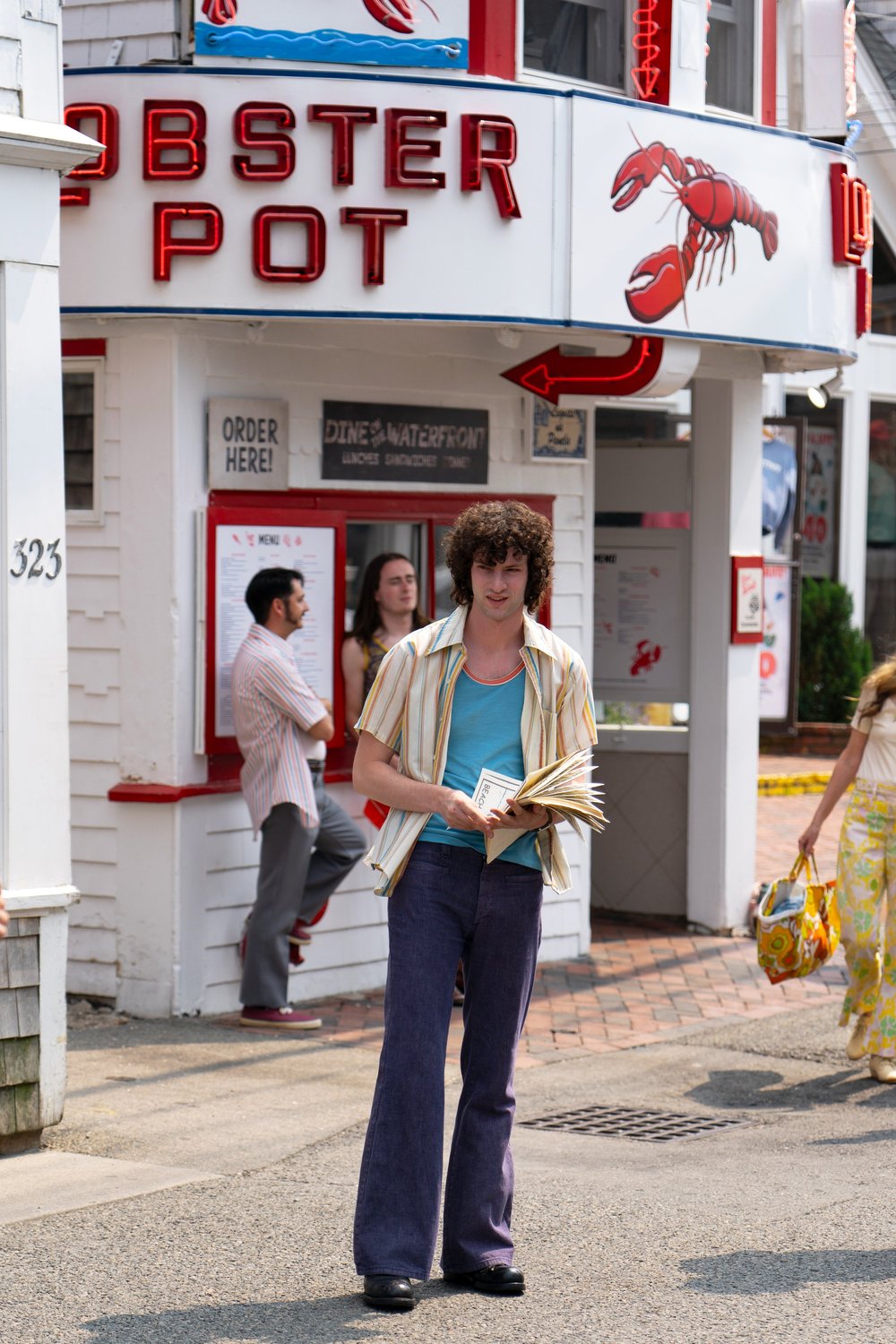
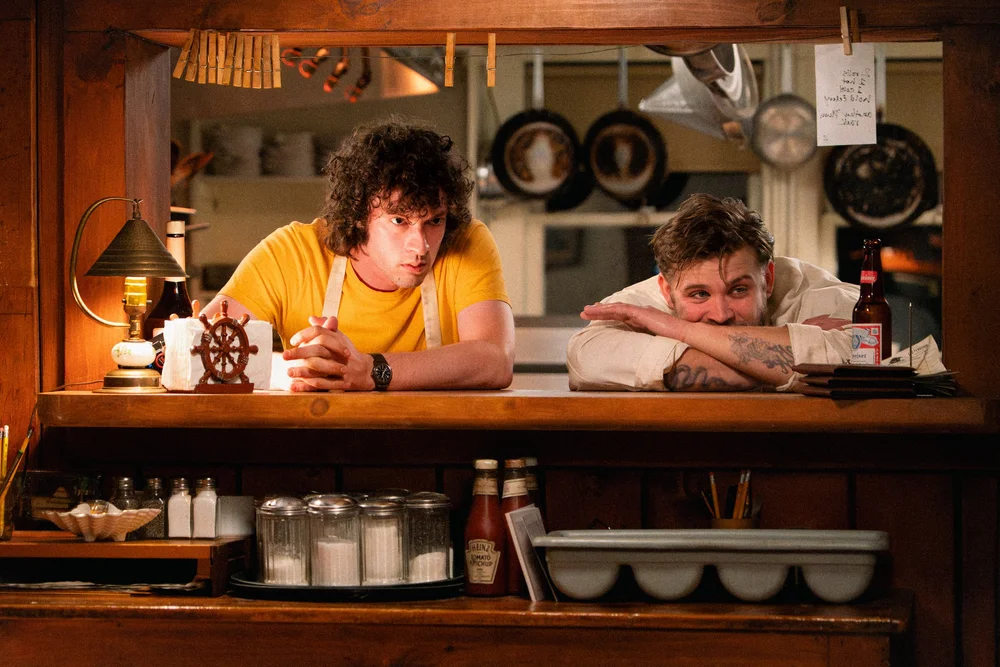
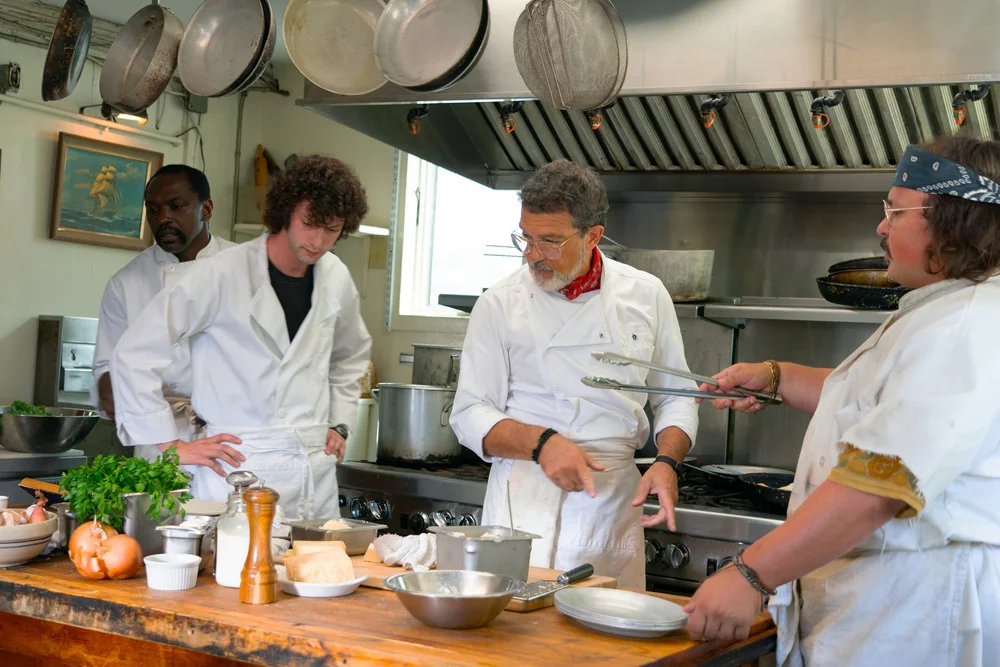
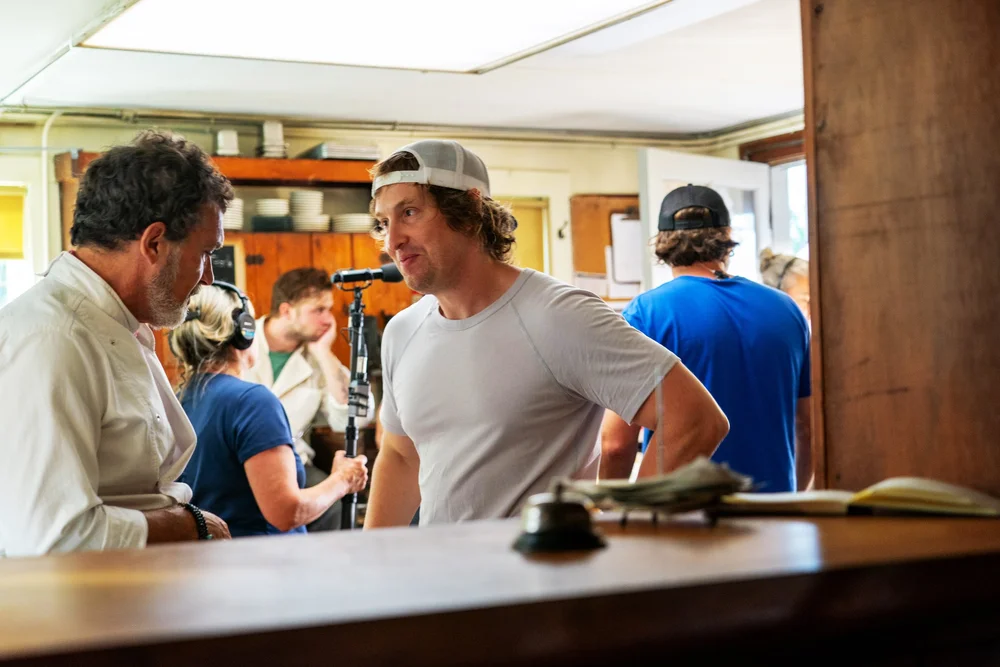
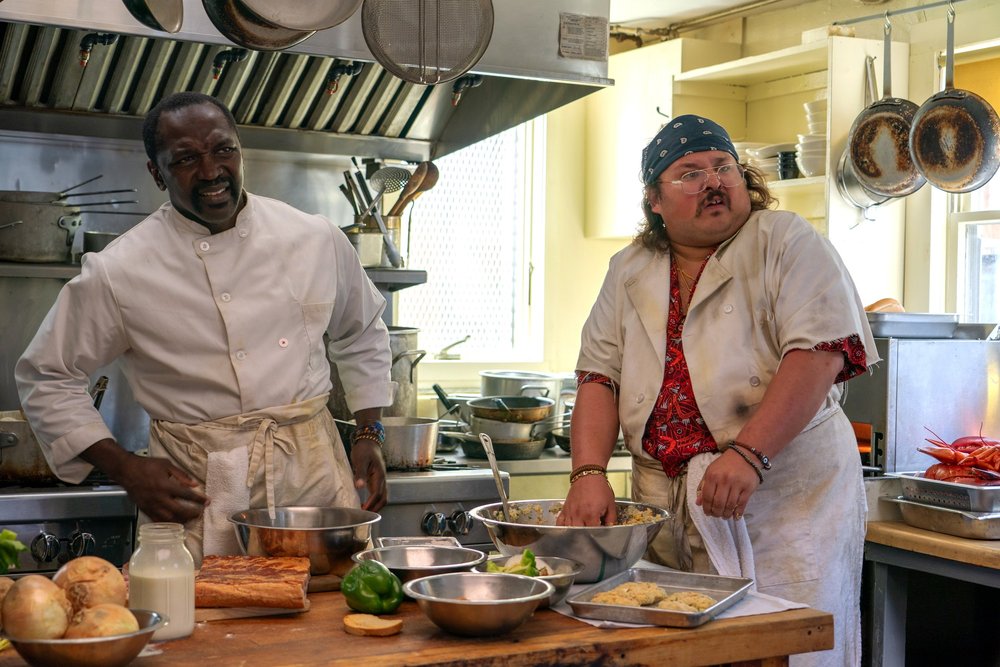
Soon after arriving, Tony sees Nancy with a steady boyfriend, leading him to drink his sorrows away and get tossed out of The Flagship oyster bar with a black eye and a lighter wallet to show for the disturbance. Seeing more pity than promise, the owner and chef (a brilliant Antonio Banderas) of the establishment (the movie’s interpretation of the Lobster Pot and highlighted by beautiful location-set cinematography by One Battle After Another Academy Award nominee Michael Bauman) takes the kid—who, of course, lies about having kitchen experience—on as a dishwasher, alongside the surly staff, including head waitress Mary (longtime Chicago Fire cast member Monica Raymund), the stone-faced Tyrone (American Fiction’s Michael Jibrin), the messy Stavros (Stavros Halkias of Bugonia), and the oyster specialist Sal (Tuner star Leo Woodall) who gave him the shiner and pinched his cash.
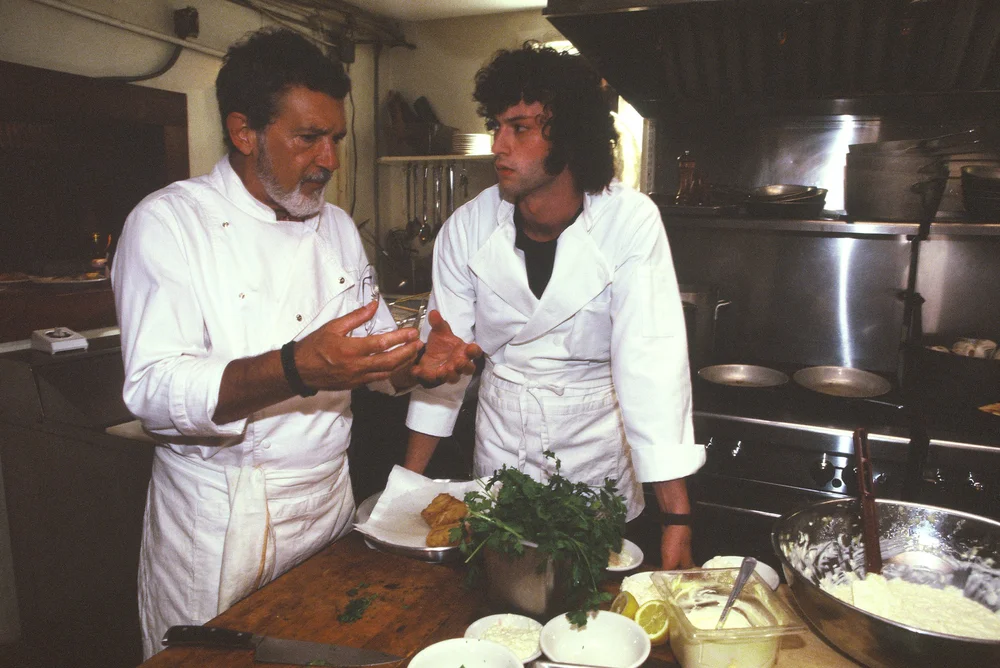
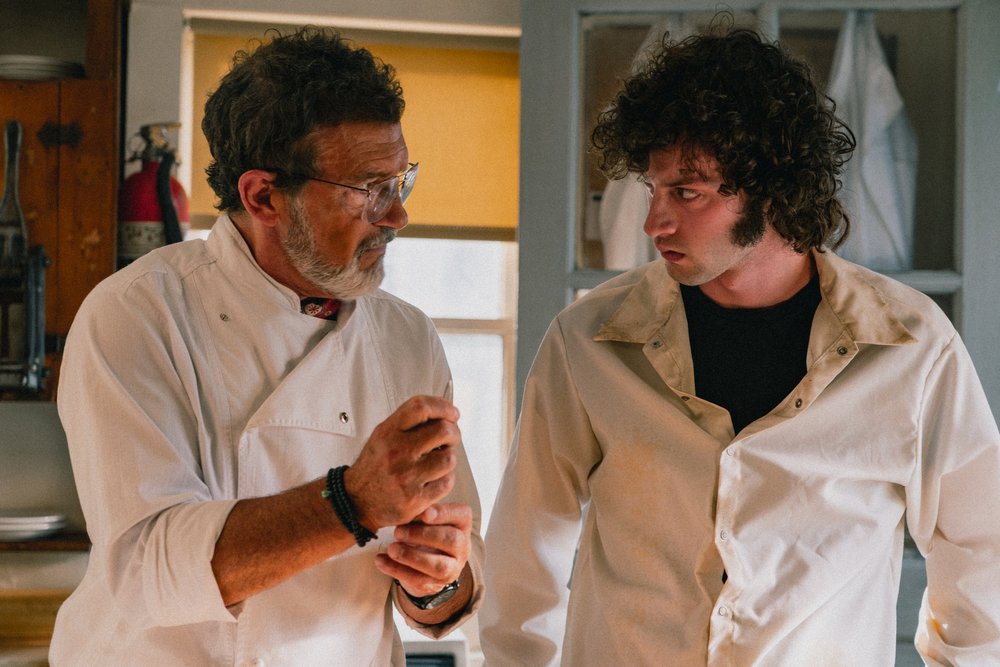
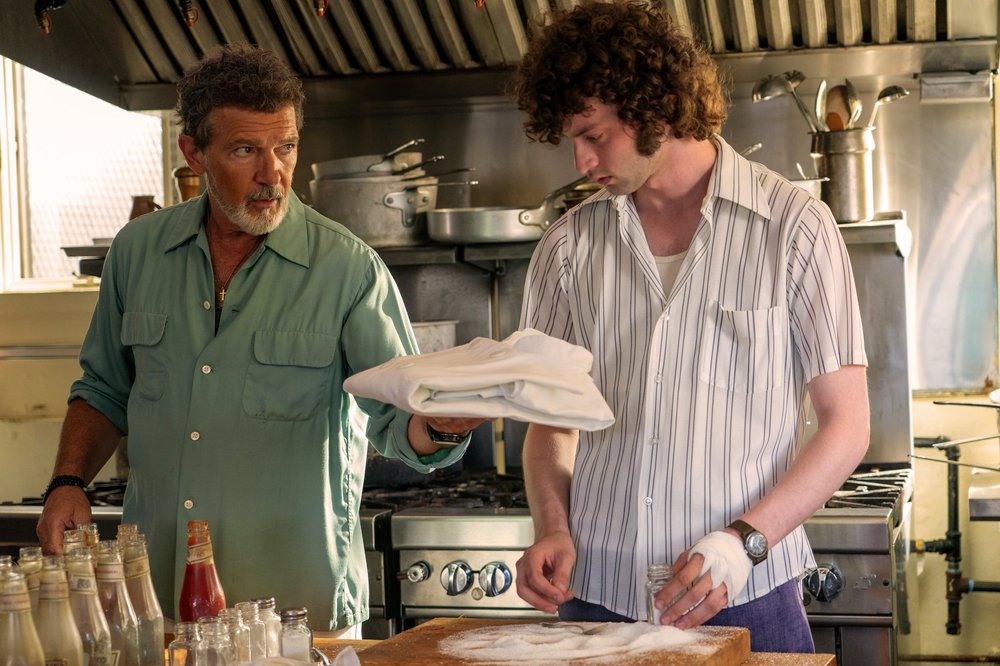
LESSON #3: THE BALANCE OF GOOD AND BAD INFLUENCES— The Flagship provides Tony with a balance of positive and negative influences. On one side, the hard-nosed and skirt-chasing Sal introduces the slow-as-molasses Tony to the illicit pep that comes from cocaine use and tries to share some of his edgy swagger in the courting department, playing into Tony’s innate conceitedness. With a grander effect in the other direction, the chef, who keeps his worldly Culinary Institute of America background and Michelin star experience privately to himself, provides Tony with an outdoor hammock to sleep on, a hopeful church pew for sin correction, and instills attentive patience in demonstrating the manicured routines of his kitchen. In time, each of the chef’s buckets of ocean water dumped to wake the shiftless young man in the morning symbolically washes away some of the asshole traits.
Tony earns its appeal through the streaks of bold performances breaking through the darkly moody figures assembled and molded by director Matt Johnson. The more time Tony confides with and learns underneath the tree of Antonio Banderas’s award-worthy sagacity, the better. Yet, Leo Woodall unmistakably ignites a burgeoning friendship with a toxic energy forcing proper character change. The hopeful recipient of that betterment stands to be Emilia Jones’s Nancy, but only if Sessa’s titular figure can stop lying—first to himself and then to others. Johnson, adapting the first two chapters of Bourdain’s 2000 memoir Kitchen Confidential: Adventures in the Culinary Underbelly with co-writers Lou Howe, Matthew Miller, and Todd Bartels, is not bashful about displaying all these personal faults without automatic and unearned heroic varnish.
Echoing some of the same awkward and despondent mannerisms of his breakout in The Holdovers, like a constant lurching slouch of nonplussed posture and body language coming through nearly every movement, Dominic Sessa fulfills his emerging acting promise with an Oscar-caliber performance as a man growing and straightening an absent spine. Seeing his theatrical vertebrae be contorted in three very different directions—Nancy’s, Chef’s, and Sal’s—is a captivating and cautionary journey to behold. By the end, the bonding seeds of unlikely new career and personal paths would lead to lifelong obsessions and vices.
LESSON #4: THE DESTINY OF PROVIDENCE— Throughout the film, Tony likes to prematurely assign the destiny of providence to his desired accomplishments, whether it is lauding that supposedly great book swirling in his brain or calling his shot at ultimately winning Nancy’s affections. He has warped that divine guidance, thinking he alone, with raw nerve, possesses all the power required to make those victories happen, when he clearly needs worthy partnerships. Watching that progression is especially impactful when one reflects how Anthony Bourdain’s life would eventually—and tragically—advance. Admire the titan he turned out to be but come to Tony to recognize and forgive the pompous beginnings refined by learned providence.



LOGO DESIGNED BY MEENTS ILLUSTRATED (#1420)
from Review Blog https://ift.tt/gNhvXIb


No comments:
Post a Comment