



Images courtesy of Greenwich Entertainment.
OLMO— 3 STARS
Call me confident as a school teacher and parent, but no kid likes being summoned by having their name yelled from across several rooms. No son or daughter wants the “Alvin!” treatment from any incarnation of Alvin and the Chipmunks. Olmo isn’t just the title of the new film from Mexican director Fernando Eimbcke that played at the 2025 Toronto International Film Festival and as a Panorama selection at the 75th Berlinale. It’s the word you hear hollered most often, much to the dismay of the character who bears the name, played by Night Swim newcomer Aivan Uttapa.
Olmo is a 14-year-old teen living near Las Cruces, New Mexico, in 1979. As this film introduces him, he’s happily occupied lying in bed and, shall we say, physically daydreaming about his neighborhood goddess crush, Nina Sandoval (Melanie Frometa of The Terrible Adventure). His summer-scorched fantasy is him sitting all cool in a lawn chair, lifting weights, and using inviting head nods through sunglasses to get her attention before entering a makeout session in the back of a car. The lusty vision is broken by the repeated calling of his name from across the house.
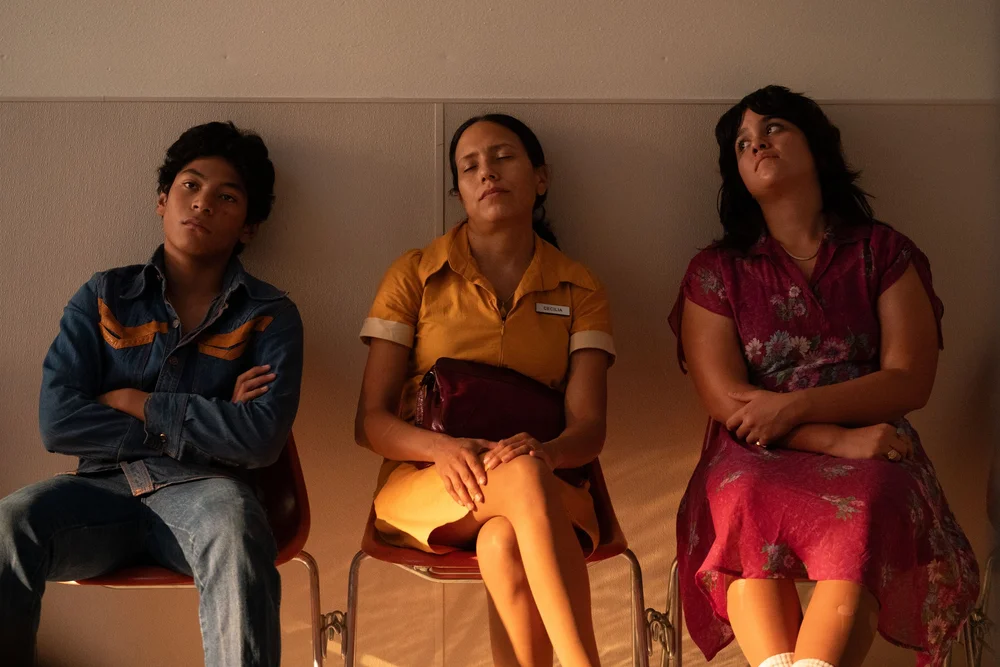
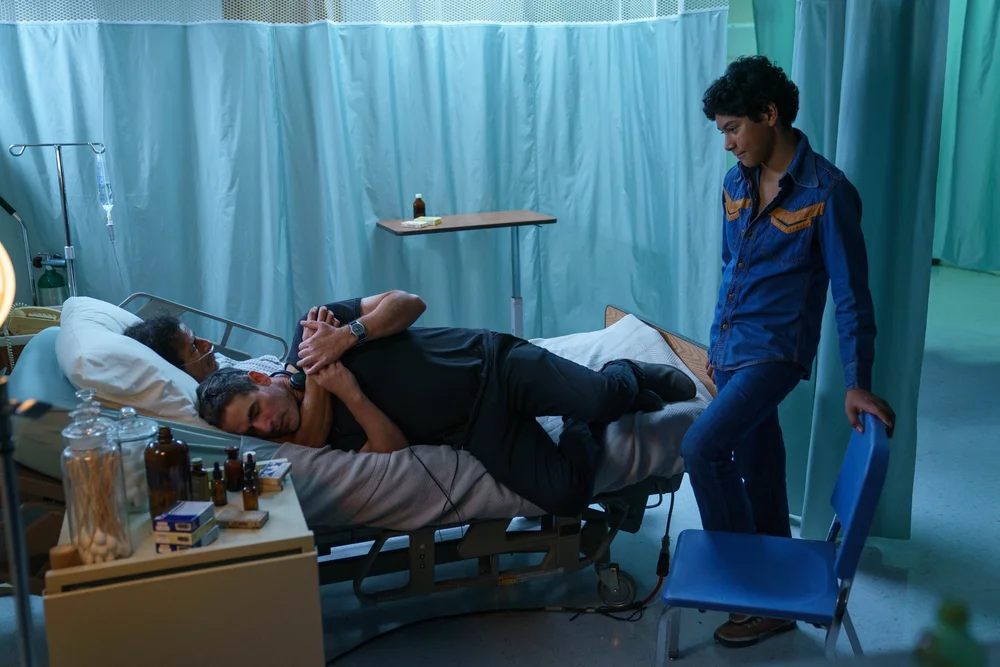
LESSON #1: ALL HANDS ON DECK— The person asking for Olmo is his father Nestor, played by Gustavo Sánchez Parra of Amores Perros. He is bedridden with multiple sclerosis and needs help going to the bathroom. It’s a pride-swallowing job that’s frequently being passed between him and his older sister, Ana (Rosa Armendariz, making her feature-length debut), while their mother, Cecilia (Andrea Suarez Paz of Rushed and Standing Clear of Closing Doors), is at work as the sole remaining breadwinner in the family. When this bathroom duty doesn’t go as neatly as planned, it’s all hands on deck to move the patriarch, change him, and clean up the mess, all while the TV is blaring a soccer match no one is watching anymore. Now, the swallowed pride is multiplied and shared by everyone.
LESSON #2: RESENTING YOUR PLACE IN THE FAMILY— Olmo hates this present state of his household. Nestor rests on his fatherly laurels as the assumed boss and owner of everything and is only occasionally appreciative of the assistance he receives. Cecilia, as revealed during a morning rant after this bathroom incident, is underwater trying to work extra shifts to make up three months of overdue rent before they’re evicted with a car that won’t start. Ana, who has taken up smoking and is peaked with disinterest, gets off the hook to help more often than Olmo does. The little brother’s common plea that an actual adult should watch Nestor constantly falls on deaf ears. Olmo’s growing resentment stews, especially on this very day.
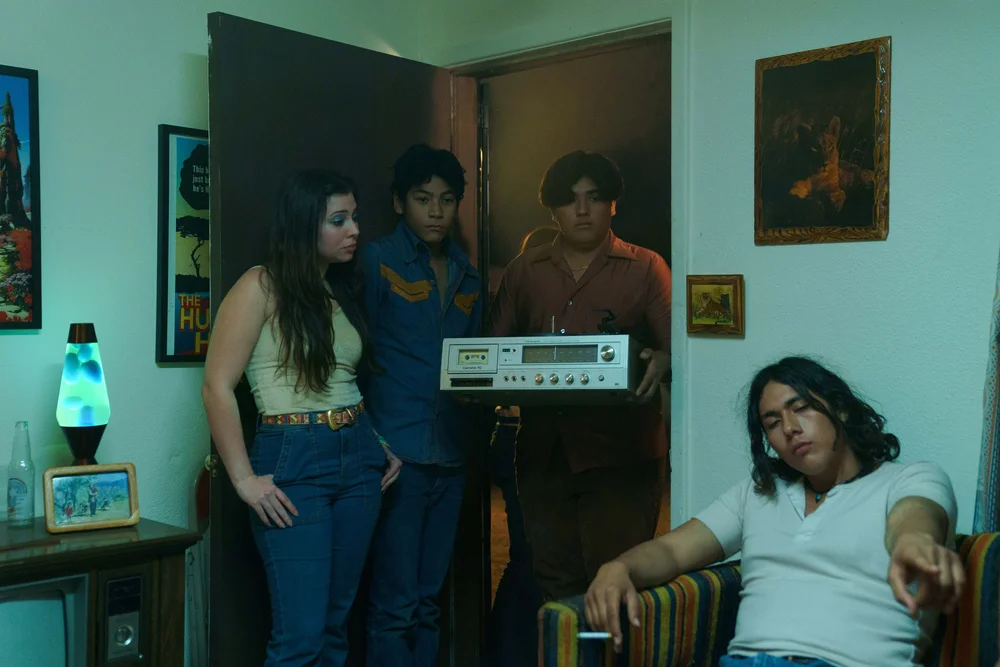
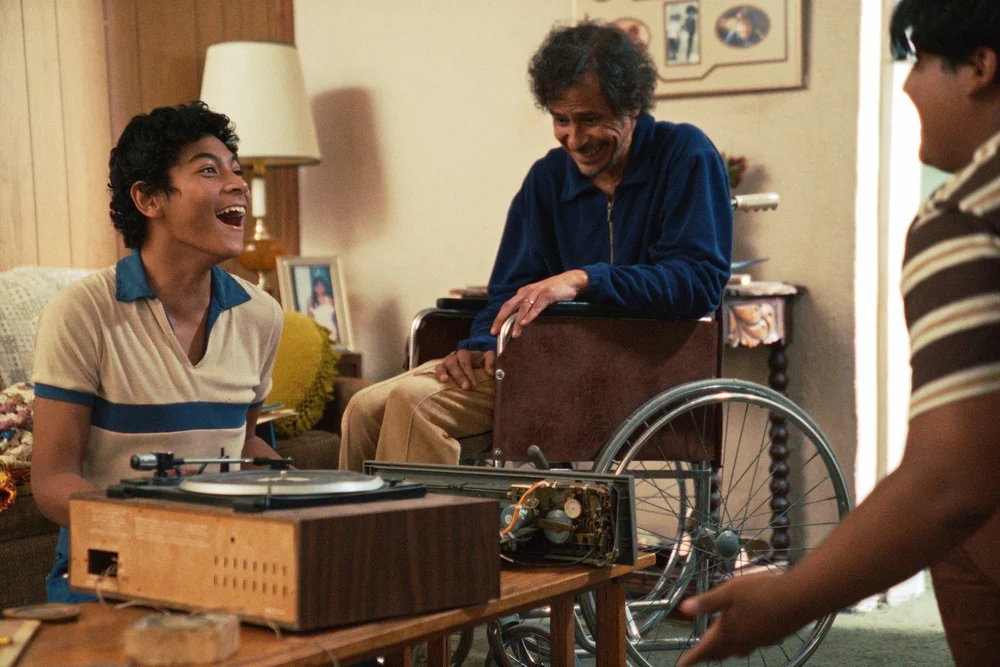
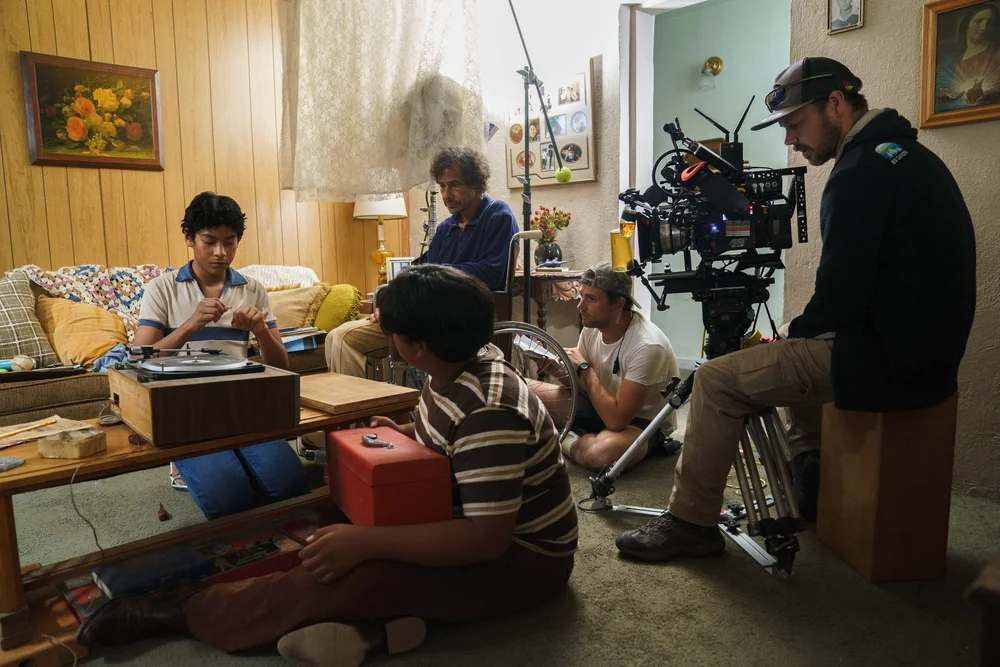
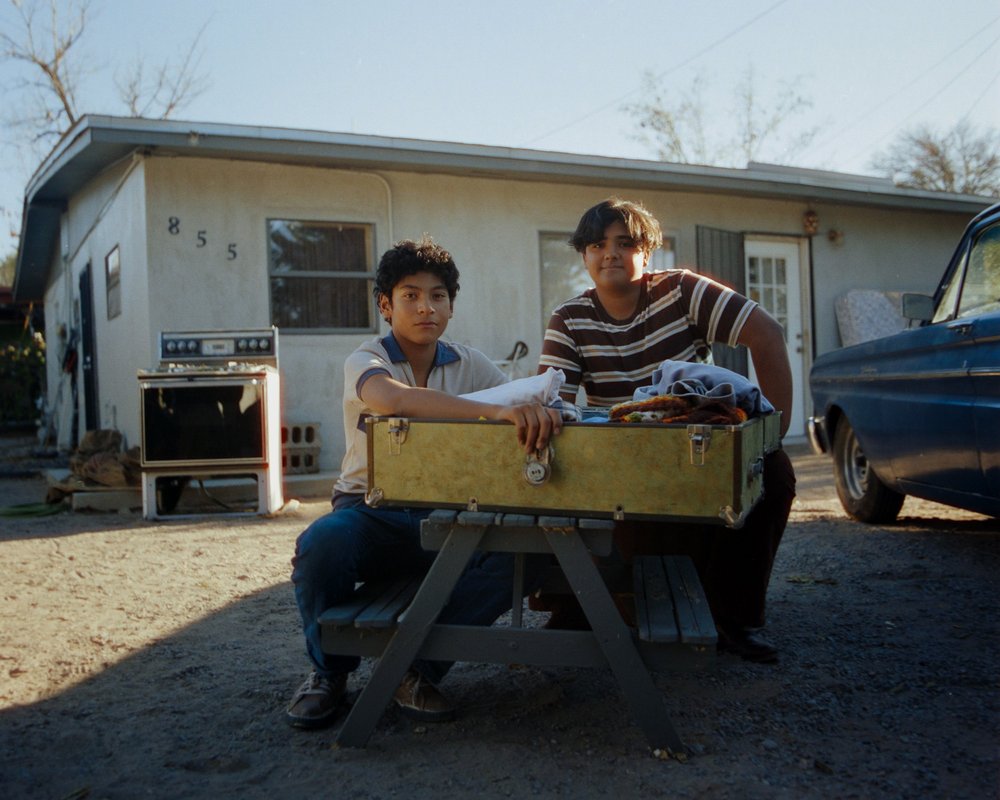
While hanging out with his fashionable but meek best friend, Miguel (TV actor Diego Olmedo), Nina invites the boys to a big party happening tonight. Their price of admission is bringing a record-playing stereo. Stoked beyond measure, the two eager teens dress up and practice their Saturday Night Fever-inspired dance moves, only to find the family stereo is broken. The one person around who can help Olmo urgently fix it against a time crunch is Nestor, someone who insists on painstakingly teaching while working, in a “hold the flashlight” level scene that brings out that aforementioned resentment verbally.
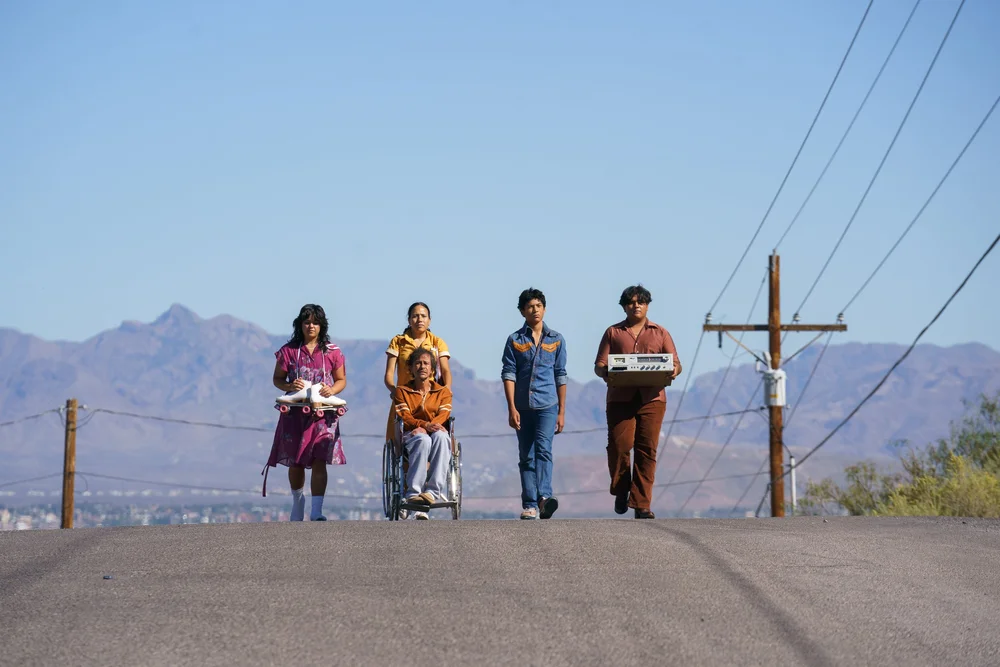
Making matters worse, Ana bolts after getting yelled at by her father, leaving dad duty to Olmo with this party looming. It’s at this boiling point that Olmo chooses to take a chance driving the unreliable Ford Falcon and bolt with Miguel for the party, leaving Nestor home alone. Powered by spite and the blend of period-era American and Spanish-language music blaring from the radio, this risky decision kicks off a classic “one wild night” arc in Olmo.
LESSON #3: THE PROVERBIAL “ONE WILD NIGHT” ARC— What fills out the tight 84 minutes of Olmo is a swift and far-ranging series of misadventures for Miguel and Olmo trying to make this night of their dreams come true. After what began as a combative yet saddening family drama written by Eimbcke and Vanesa Garnica (a set-decorator-turned-writer with her first screenplay), this irresponsible turn is where Olmo loosens up a bit with youthful enthusiasm, where the flair of the throwback setting really shines. As always, the fun has its limits. You just know something (or even everything) is not going to go as planned. Sure enough, starting with our main character getting his name yelled again at an inopportune time, the fun fades quickly.
LESSON #4: THEY’RE STILL YOUR FAMILY— During this evening escape, Olmo only gains more ammunition for his resentment against his family. However, the lesson to learn is that, no matter how much you hate them or the current situation everyone is mired in, those people at home who need and depend on you are still your family. No one wants this work, but it’s necessary. Nestor is still his father, and Olmo is still only 14. Time could run out at any time. With the severity of multiple sclerosis and the difficulty of making ends meet, Olmo’s place is at home, whether he likes it or not.
In a smartly constructed denouement, Olmo applies that heart-punching jolt to the kid—and each connected soul—successfully. The new decisions to make become, in essence, tests for friends and family members of not only loyalty, but the future reality of grief. Aivan Uttapa, as the young lead, holds and exudes all this difficulty very convincingly, without losing the adolescent charm that draws viewers in. How each person chooses to respond when one good or bad day has to move to the unknown possibilities and emergencies of the next one is key. They have to see and accept the difference they make. To get those grounded results from balancing—and not vilifying along the way—the need for personal pleasures is a fruitful and amusing little journey from Fernando Eimbcke. Just don’t add to the name-yelling. The kid deserves a break.












LOGO DESIGNED BY MEENTS ILLUSTRATED (#1417)
from Review Blog https://ift.tt/vX57c6M


No comments:
Post a Comment