


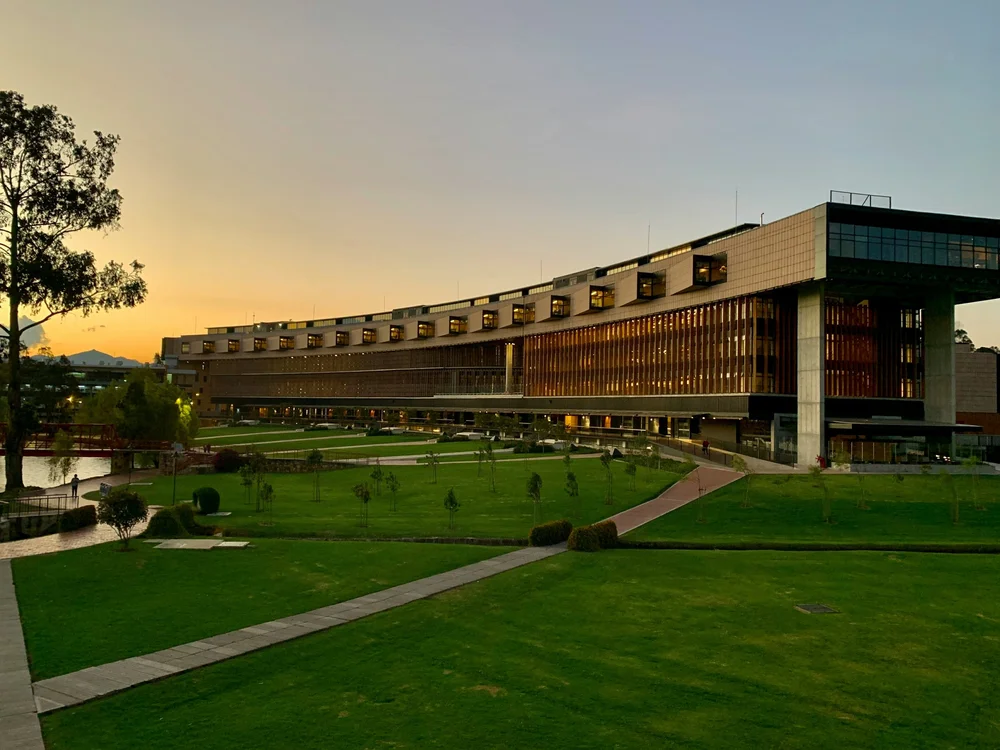
Image: Brown building with green grass field photo – Free Building Image on Unsplash
Public facilities work best when shared spaces stay clear for daily movement while still allowing service, event, and emergency access when needed. On many campuses, parks, and civic grounds, pedestrian paths and service drives cross at loading docks, maintenance gates, and main entries. Pop-up events, deliveries, waste pickup, and routine repairs can block areas visitors use to walk, queue, or gather.
Tight staffing, limited budget cycles, and public safety expectations leave little room for daily workarounds. Access points need to support occasional vehicle entry without turning into permanent obstructions, and service routes need to stay usable during peak foot traffic. A practical plan starts by identifying where conflicts occur, what can be controlled by schedule, and which physical controls can keep movement clear.
Controlled Access Zones
Entry points that double as walkways often need a clear opening most of the day, then fast vehicle access for deliveries, maintenance carts, vendor load-in, or emergency response. Barriers like collapsible bollards fit those locations because they sit flush when lowered and create a visible stop line when raised. That keeps the space readable for drivers and pedestrians without leaving a fixed barrier in the middle of daily circulation.
Selection should account for use frequency, access speed, and the staff responsible for operation. Manual units work well where staff can lock and unlock access on site, while assisted or powered options suit gates that open multiple times per day. Placement should match turning radii and curb edges so vehicles do not clip corners or mount sidewalks, and operating hardware should remain accessible from a safe standing area.
Shared Space Scheduling
Shared spaces become harder to manage when the same plaza, drive lane, or lawn edge must support arrivals, deliveries, events, and pedestrian traffic at different times of day. Morning drop-offs, vendor setup, waste pickup, and evening programming can each make sense on their own, but conflicts grow when no clear access window or staging area exists.
Time-based rules work best when the site gives staff a simple way to enforce them. Posted load-in hours, marked staging zones, and locked access during high foot traffic can reduce daily improvisation. Collapsible bollards can support this approach by closing vehicle access during public use, then folding down when authorized service, event, or emergency vehicles need entry.
Service Route Clarity
Service access breaks down when route design gives trucks no direct way to enter, stop, turn, and leave without interrupting other movement. Dead-end drives, tight corners, and missing pull-offs can force vehicles to circle, reverse, or stop in travel lanes. Visible wayfinding, curb cuts that match vehicle size, and designated turnaround space keep routine tasks from turning into repeated maneuvering and missed stops.
Route clarity improves when the service network is separated from visitor circulation wherever the site allows. Signage that distinguishes “service only” access, gates sized for the largest expected vehicle, and staging space that stays out of pedestrian desire lines help keep public areas calm during daily work. Verification should include a drive test during normal operating hours and a check that trucks can clear bollards, fences, and overhead utilities without rerouting.
Pedestrian Movement Gaps
Pedestrian routes create problems when the easiest walking path cuts across service lanes, loading approaches, or areas used during events. If the paved route feels indirect, visitors may cross turf, pass between parked vehicles, or enter drives at unmarked points. Those patterns can create worn edges, crowding near entrances, and more conflicts with maintenance or delivery vehicles.
Fixes should start with observed movement, not assumptions from the original plan. Track foot traffic during class changes, event setup, weekend peaks, and routine service windows to see where people actually walk. Collapsible bollards can help close unauthorized vehicle paths while keeping pedestrian movement open, then allow service or emergency access when the route needs to change.
Maintenance-Heavy Design Choices
Maintenance costs can rise when small site details are not planned around daily cleaning, winter conditions, and routine inspections. Uneven paving joints, tight planter edges, scattered fixtures, and poorly placed drain inlets can collect debris, trap ice, or create repair points that add up across a season. Trash enclosures, hose bibs, and electrical panels should remain reachable without crews moving obstacles or entering active pedestrian routes.
Standardized site details make repairs faster and reduce training needs across multiple crews, shifts, and contractors. Matching bollards, base types, finishes, anchors, lids, and fasteners helps staff replace parts consistently instead of troubleshooting a different setup at each access point. Exterior planning improves when shutoffs, meters, access covers, and collapsible bollards stay reachable by small utility vehicles without disrupting primary pedestrian flow.
Flexible infrastructure works best when access control is planned as part of daily operations, not treated as a one-off hardware decision. Each zone should support public movement, service access, maintenance work, and emergency needs without requiring staff to reset the space every day. Set access rules by time, keep service routes direct, close pedestrian gaps where people already walk, and standardize details that crews handle weekly. Collapsible bollards can help manage changing access needs while preserving clear routes for authorized vehicles. Start with the highest-friction areas, review how each space is used, and update the layout around actual site activity.
from Review Blog https://ift.tt/AocbDzP


No comments:
Post a Comment