


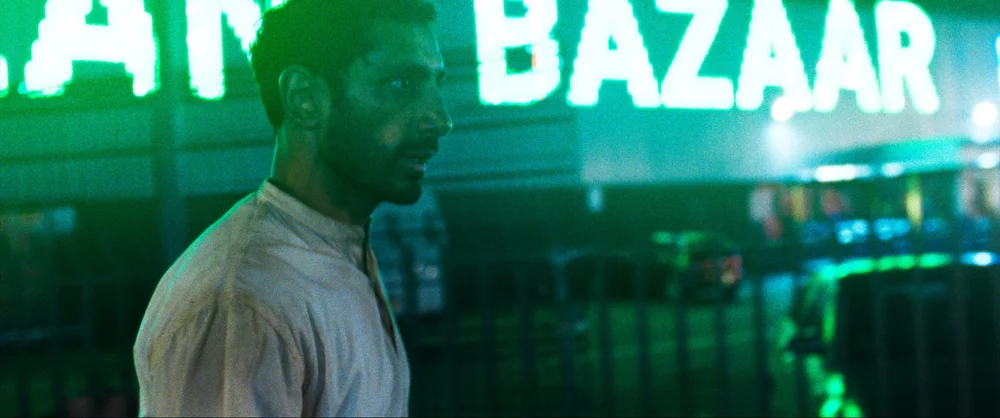
Images courtesy of Vertical Entertainment
HAMLET— 3 STARS
Stage and cinema history has shown that William Shakespeare’s Hamlet contains nearly limitless dramatic substance for open interpretation. The tragedy holds rich caches of religious, philosophical, and psychoanalytic contexts. With that range of artistic opportunity, many have molded the well-regarded play to suit or enhance any number of moods, eras, and focal points. The core plot of grief and revenge has immense pliability, as evident by a new, modern-set adaptation from award-winning filmmaker Aneil Karia.
LESSON #1: HOW DO YOU PICTURE YOUR HAMLET?— With that in mind, asking people how they picture their Hamlet is like asking people how they take their coffee. There are almost too many varieties, ingredients, and concentrations of personal taste to account for. Take the famous “To be, or not to be” speech. For those well-versed in the Bard, how do you picture it? What looks, sounds, and feels right?
Do you need something classical honoring the 16th century period (or at least close) like Laurence Olivier’s Oscar-winning turn from 1948 or the grand musical score of Dmitri Shostakovich? On the other side of the coin, can you handle Ethan Hawke narrating and extolling the speech while roaming a Blockbuster Video store aimlessly in Michael Almereyda’s star-studded Hamlet update in 2000? Is Kenneth Branagh’s lavish 1996 epic, with him whispering before a full-length mirror, a happy middle ground because it’s a slight time jump, but at least full-text?
Searching for further clarification of taste, does the delivery matter more than the setting? Is it more about how Hamlet is performed than where it occurs? If that’s the case, enjoy laughing about the nuances of haughty emphasis shared between an assembly of British theater greats, from Benedict Cumberbatch and David Tennant to Judi Dench and Ian McKellen, in what one YouTube commenter hilariously labels as the “Multiverse of Hamlet Madness.”
LESSON #2: ALLOW NEW CHALLENGERS AND NEW VOICES— Humor aside, the lesson of it all is likely that Hamlet is never as easy as it looks. Audiences should be willing and eager to allow new voices to take on the challenge. Surge director Aneil Karia and Sound of Metal actor Riz Ahmed won the Academy Award for Best Live Action Short Film for The Long Goodbye four years ago, and that counts as plenty of qualification. Like the aforementioned coffee analogy, their lean, 113-minute take on Hamlet presents an intriguing new aesthetic palette.
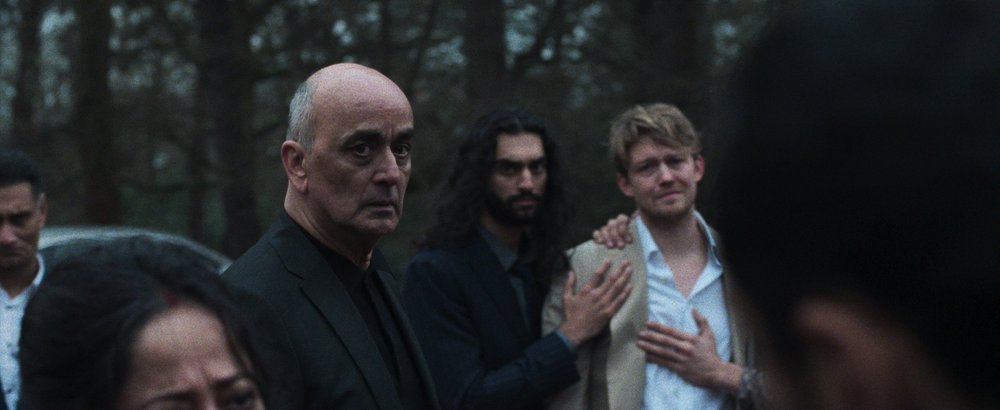
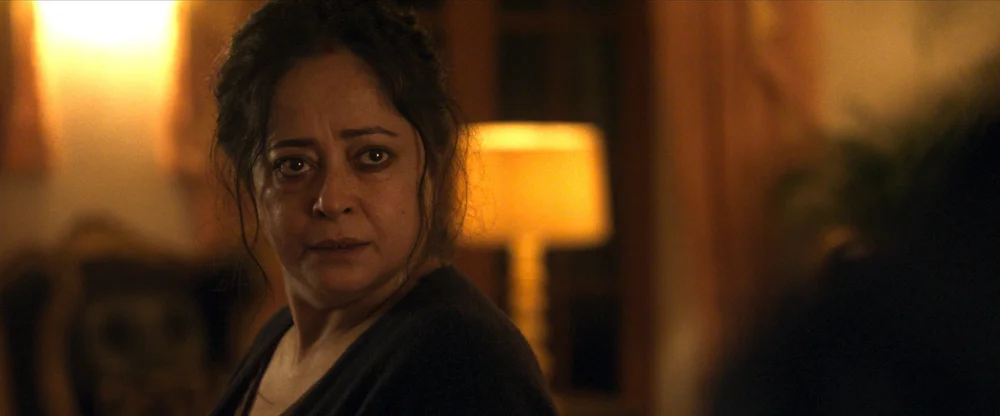
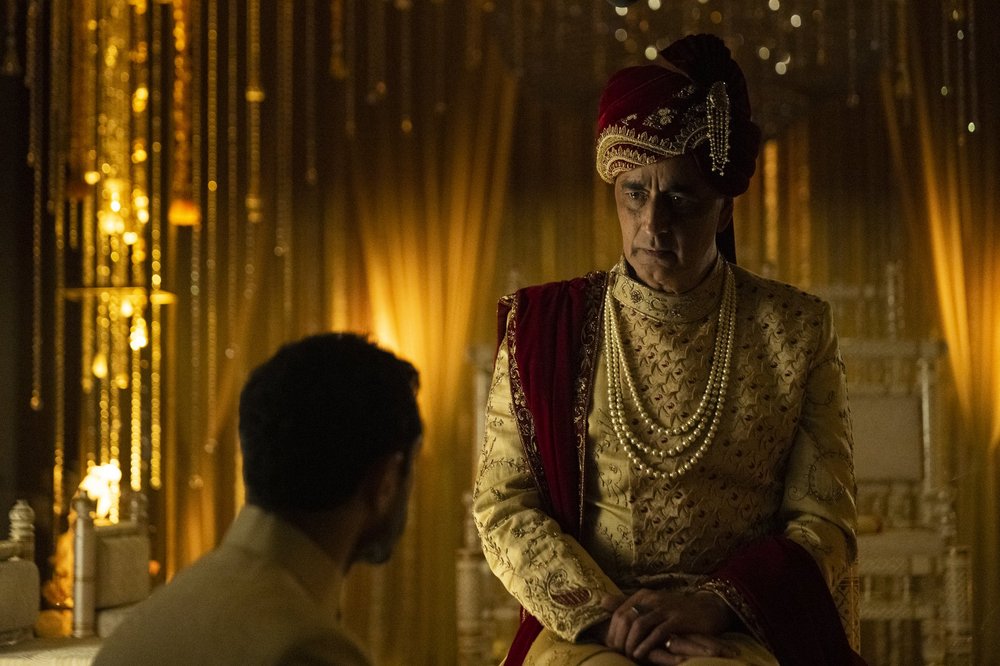
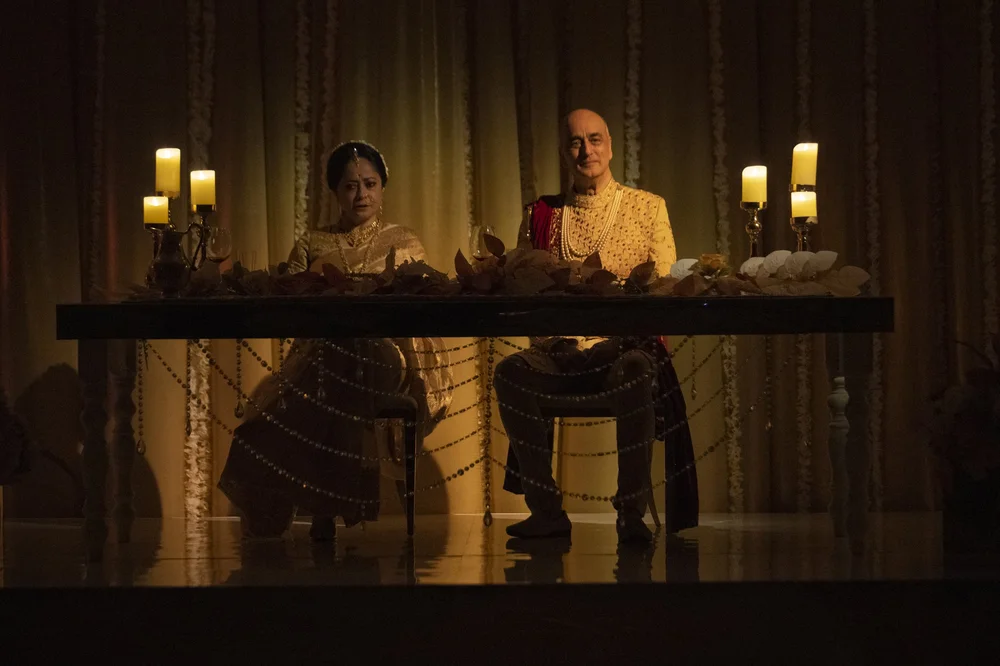
Karia’s Hamlet is set in the South Asian community of modern-day London. The film opens with an older gentleman’s deceased body (Bayaan’s Avijit Dutt) being bathed and prepared with a ceremonial mixture of yogurt, milk, ghee, and honey by gathered witnesses for a funeral. This dead man is the father of Prince Hamlet (Ahmed) and the now-former CEO of a lucrative property acquisition empire. The titular honorable son returns to the city for the services in a state of mourning made worse by the news that his mother, Gertrude (Sheeba Chaddha of Badhaai Do), is set to marry his uncle, Claudius (veteran Hollywood character actor Art Malik, recently seen in The Little Mermaid), before his father has even been cremated to his eternal ashes.
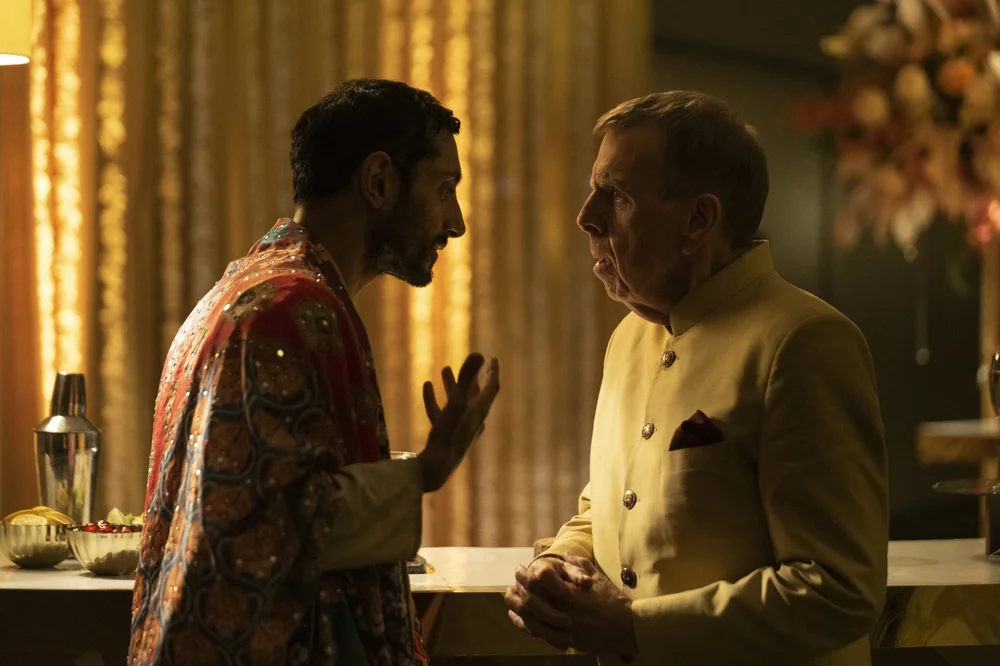
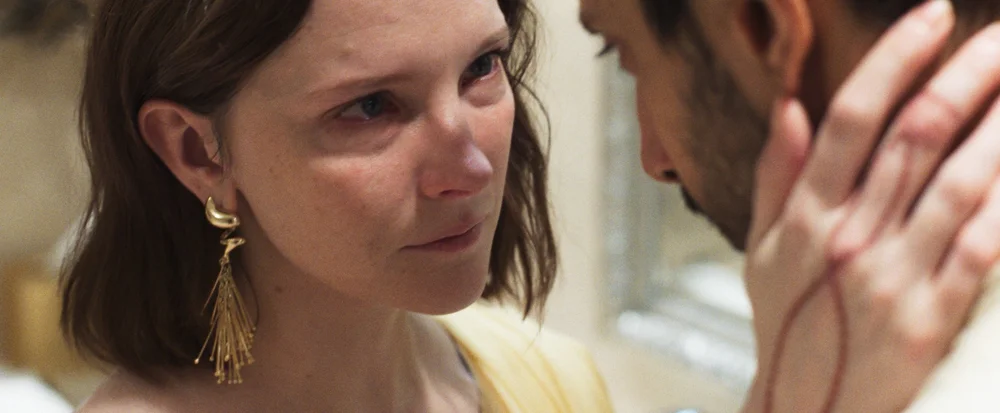
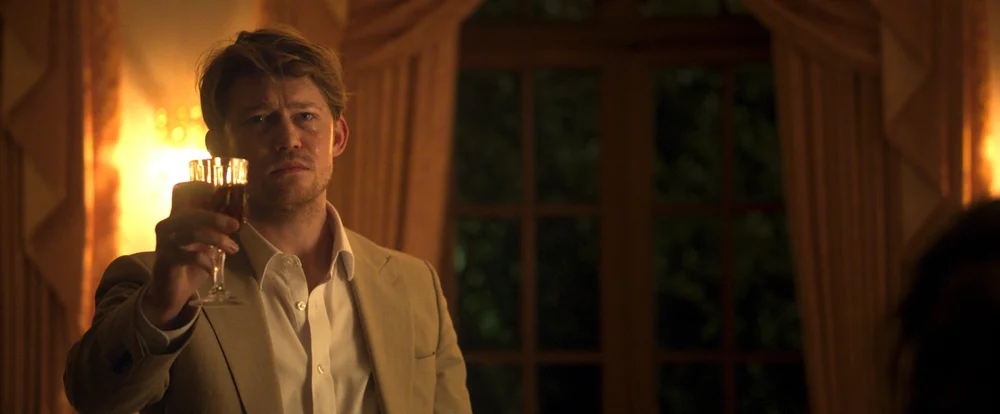
Most in Hamlet’s business and family circles are comfortably moving forward with this sudden transitional period, including Polonius (Oscar nominee Timothy Spall), his Claudius’s top advisor, and his children and life-long confidantes, Laertes (The Brutalist’s Joe Alwyn) and Ophelia (Morfydd Clark of TV’s The Lord of the Rings: The Rings of Power series). On the contrary, Hamlet is crushed and angered to the point of suspecting nefarious causes for his father’s sudden death.
LESSON #3: GAUGING THE INTENTIONS OF PEOPLE AROUND YOU— Those familiar with the play know that much of the rising action of doubt in Hamlet comes from the observational mindset of the title character. The disbelieving Hamlet, spun by a conversation of divulged secrets with the ghost of his father, is convinced that murder occurred over accidental or natural causes. Working every room and event, he cannot help but question the intentions of those surrounding him. Right in line with the “smile, be the villain” verse of the play, he intently notes how folks receive him and watches who people choose to interact with, and whether it’s from simple courtesy for basic bereavement or with greater respect for the weight of the loss.
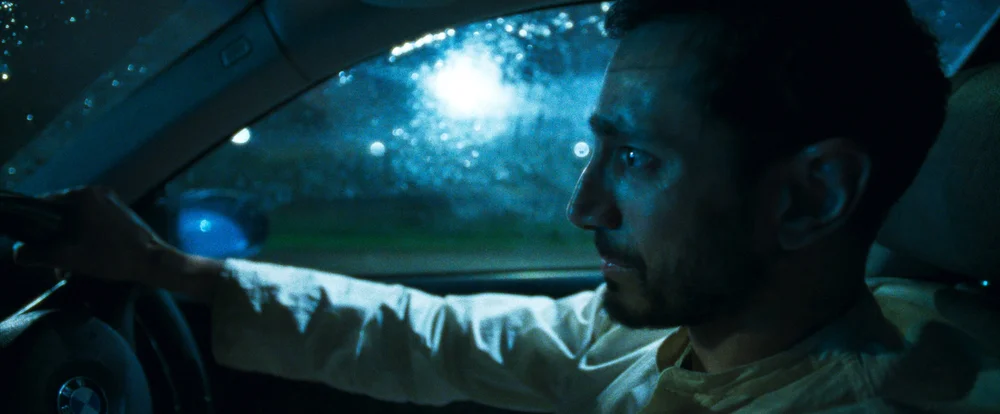
Riz Ahmed has been a brilliant actor for a long time, and shrewdly measures the festering rancor within his classic character. His eyes alone are something to marvel at. Ahmed can shift from sadness to vengeance with mere glances and shifts of focus to accompany his lines. The naturally quivering tone of his vocal inflections delivers the seesaw of pain and anger of a man searching for truth and justification. By the time Ahmed gets his chance to perform the “To be, or not to be” monologue, Prince Hamlet is emotionally charged behind the wheel of a sleek sports car, playing chicken with nighttime traffic.
As you can tell by the running time, much of the full body of Shakespeare’s Hamlet has been heavily condensed by screenwriter Michael Lesslie (Macbeth, Now You See Me, Now You Don’t), meaning the ensemble had to make the most of shorthand chances to rise to their occasions to match the tragedy’s inherent intensity. In those respects, Avijit Dutt’s ghost, Art Malik’s villainous angles for Claudius, and the overwhelming madness within Morfydd Clark as Ophelia feel diminished from what could have been. On the positive side, Sheeba Chaddha’s portrayal of Gertrube is particularly powerful as a pivotal woman torn between obligations and promises, and Joe Alwyn’s Laertes verbally duels well with Ahmed’s lead as their broken brotherhood crumbles.
Once again, for most, the impression made by this Hamlet will come down to what looks, sounds, and, most importantly, feels right for the cinephiles and armchair dramaturgs. On the surface, the beguiling production value gained with the inclusion of Hindu traditions and visual imagery—achieved through performative choreography and Nirage Mirage’s costume designs—might be seen as Karia choosing style over substance. However, the chosen parallels within that dogma fit well with Hamlet's moral quandaries. By the time Hamlet’s message-sending and guilt-exposing play, done as a cultural dance, is completed, the appalling view of symbolic fake blood spilt prepares you for when the real severe violence arrives later.
Like most adaptations of Hamlet, Aneil Karia’s take lives and dies, literally and figuratively, by the lead performance coming from his top muse and collaborator. Through Riz Ahmed, all the private asides and whispered portending, venting, and plotting still stir the Bard’s vengeful pot, even with simplifying trims from Lesslie. This is a well-deserved and provocative showcase for Ahmed. He’s the reason to witness and appreciate this film.

LOGO DESIGNED BY MEENTS ILLUSTRATED (#1387)
from Review Blog https://ift.tt/Bb85vih


No comments:
Post a Comment