


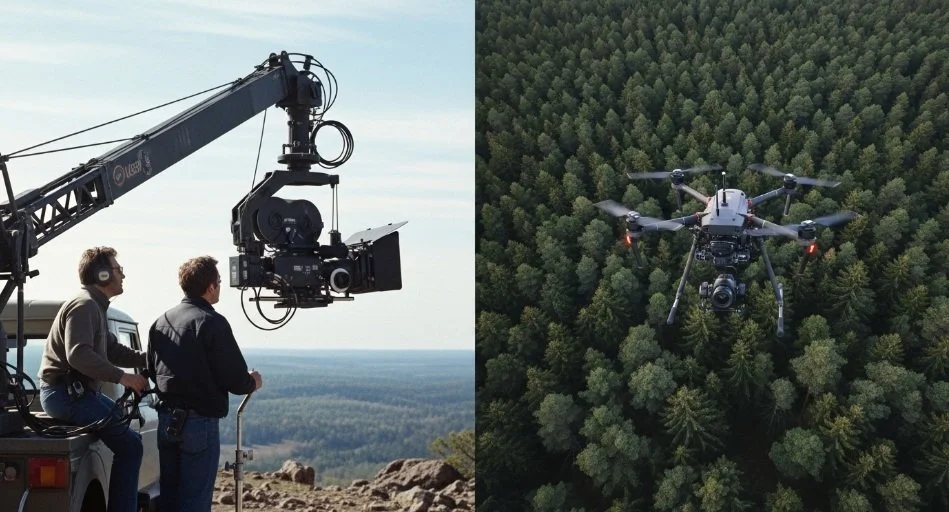
Aerial cinematography enhances storytelling through its ability to show different viewpoints, which help establish dimensions of the story and generate emotional responses. The system uses an aerial view together with dynamic tracking to deliver a different perspective, enhancing narrative impact and emotional suspense. The elevated perspectives extend beyond normal ground-level, creating an intense emotional experience that deepens the viewer's connection to the film.
The Evolution of Aerial Storytelling
The history of aerial cinematography began with cranes, cables, and helicopters, and has now expanded to drones, which are now an essential tool for cinematic storytelling.
In the early days of Hollywood, capturing a high-angle shot required massive, lumbering cranes or the dangerous use of aircraft. The methods usually produced static shots with shaky motion, which created an elevated view that distanced viewers from the characters. Aerial shots were often reserved for major studio films because of the expense and complexity involved in filming them.
Drone filmmaking has made aerial storytelling available to more types of productions that produce content today. Drones changed cinematic perspective by creating two types of footage:
-
distant shots that show entire landscapes; and
-
detailed close-ups that focus on small parts.
Aerial shots have become essential for storytelling because this accessibility allows filmmakers to create narrative depth. Early aerial scenes showed only expansive landscape views, but modern drone sequences display precise movements that improve cinematic storytelling.
It now assists storytelling by providing directors with tools to create tension, character isolation, and present journeys through unique angles. This transformation has developed into a new cinematic storytelling method that uses the sky as a visual storytelling medium.
Why Filmmakers Are Turning to Aerial Cinematography
Filmmakers are turning to aerial cinematography because drones offer creative freedom, efficiency, and cost-effectiveness, replacing expensive cranes and helicopters. Aerial sequences used to require filmmakers to hire a pilot and camera operators, while using a fuel-heavy chopper, which is costly.
Drones changed this by enabling film production techniques to achieve high-altitude shots at much lower costs. Aerial cinematography became popular in indie films by allowing filmmakers to create ambitious visuals despite their budget restrictions.
The utilization of drones in movies allows filmmakers to film complex scenes safely and efficiently. Drones can operate in narrow spaces while tracking fast-moving events and producing high-resolution video content. This flexibility is beneficial because it helps create emotional effects through movement and viewpoint changes during action scenes.
Filmmakers use aerial cinematography to create immersive environments that build suspense while using visual storytelling techniques that maintain audience interest.
Media and entertainment account for over 20 percent of commercial drone usage, highlighting their growing role in filmmaking and visual storytelling.
In addition, it provides contemporary cinema filmmakers with artistic freedom and operational effectiveness, which improve cinematic storytelling through visual elements.
Uses of Aerial Cinematography in Film and Media
Aerial cinematography has become one of the film production techniques that various industries now utilize. The system enables creators to show size dimensions while showing tactical details and creating particular emotional reactions. The aerial perspective in film acts as a bridge between the audience and the environment, increasing film engagement.
Feature Films and Documentaries
Aerial shots in feature films have evolved beyond their original purpose of displaying high production costs. They serve to depict how a character thinks and how far their journey has taken them. "The Revenant" uses aerial cinematography to show the deep wilderness isolation, which makes the main character's battle more intense.
Similarly, the Bond film "Skyfall" used drones to capture a motorcycle chase sequence showing Istanbul's rooftops through its high-energy movement.
These examples prove how drone shots in movies can amplify tension and drive the story.
Short-Form and Branded Content
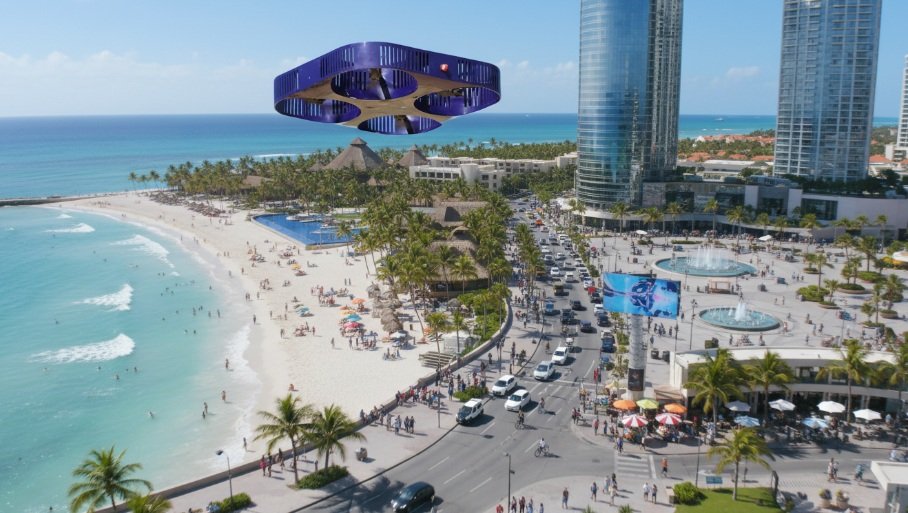
The aerial shot has extended its impact beyond movies to reach social media platforms and advertising campaigns. Travel videos and tourism campaigns now use cinematic storytelling techniques to create a sense of longing and wonder. A drone gliding over a tropical beach or through a bustling city square creates immediate viewer engagement. Branded content uses unique human perspectives, attracting audience attention in digital spaces, making a thirty-second commercial seem like a mini film.
News, Journalism, and Special Projects
Journalism has experienced significant change because of the new capability to obtain aerial surveillance. Aerial news coverage during natural disasters and major public events delivers clearer narratives than ground reporting. The system enables viewers to track an event's development through its flood path and protest size. The "special projects" use aerial views to show complete news stories, providing both literal and metaphorical aspects of the story.
Benefits of Aerial Cinematography for Storytelling
Aerial cinematography benefits storytelling by enabling the camera to become an active storyteller, shaping audience feelings through different cinematic perspectives. Filmmakers achieve spatial freedom through their advanced aerial film narrative techniques, shaping how audiences understand a character's story and surroundings.
1. Conveying Scale and Space
An aerial shot delivers its most valuable advantage through its power to establish spatial relationships throughout the scene. Through wide shots, the audience gains vital information that displays the characters' exact position between their objectives and their enemies. The audience experiences greater tension through perceiving a scale space within the film, increasing film visuals and emotion. This system creates a viewing experience that lets the audience connect with the story's geographical locations.
2. Emotional and Narrative Impact
Aside from scale, film visuals and emotion are determined by the movement and height of the camera equipment. A slow ascending shot creates a peaceful space, while the fast low shot creates a state of extreme anxiety. The aerial shot of a drone following a character through a maze presents the audience with a direct emotional experience. Aerial perspectives function as psychological tools, acting as one of the most effective film narrative techniques used in contemporary cinema.
3. Visual Dynamism and Engagement
Static shots have their place, but movement captures the eye. Aerial angles that show moving objects create visual storytelling techniques that keep viewers engaged more effectively than static shots. Directors utilize immersive filmmaking methods by shifting viewpoints to create energetic movement, making a simple walk scene feel dynamic. This continuous movement creates an immersive experience that allows viewers to feel they are moving through the film world.
4. Flexibility and Creative Freedom
Drones possess smaller physical dimensions, which enable them to access locations that other cameras cannot reach. The device has the ability to fly through narrow spaces, which include windows, bridges, and cave entrances. The directors gain complete artistic control because they can design shots that defy all established physical rules. The continuous shot technique enables filmmakers to connect different shot types while maintaining a nonstop flow of the narrative.
5. Efficiency in Production
The quick deployment of drones enables film crews to capture multiple takes within a shorter time period. The practical efficiency of drone filmmaking has reached its highest level of effectiveness. The set operations become more effective because they can test different ideas. A director needs only minutes to try a different filming angle or camera movement. The creative process of exploration leads to unplanned discoveries, which create iconic shots that emerged during filming.
Challenges and Considerations
Filmmakers have to follow numerous legal regulations that include "no-fly zones" and mandatory licensing rules in delivering aerial cinematography. The weather acts as a primary obstruction because strong winds and rain force a halt in production work. The situation presents multiple safety concerns and privacy issues that need experienced pilots to handle them. Filmmakers achieve their best work when they manage their creative vision together with operational limitations. Doing so protects both crew members and public safety during their quest to capture the ideal shot.
Technological Advances Shaping Storytelling
FPV (First Person View) drones enable filmmakers to create intense cinematic experiences that showcase bird-like and projectile-like camera movements. The combination of drones with stabilized cameras and AI-powered tracking systems enables filmmakers to achieve smoothness and fast-paced action sequences. On top of that, virtual reality and 360-degree camera technology allow viewers to choose their perspectives within scenes. Filmmakers use these tools to develop intricate narratives with an authentic feel.
The Future of Aerial Storytelling
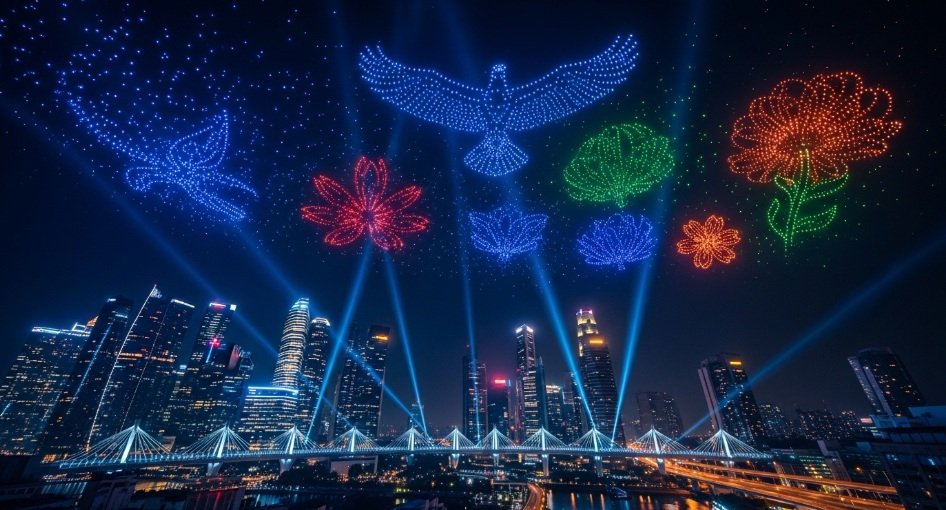
The future of aerial storytelling is likely to include innovations such as drone swarms, interactive media, and immersive perspectives. The drone swarms will execute synchronized aerial movements to create aerial performances that showcase their capabilities in massive scenes and live events. The viewers will use interactive media to choose their aerial perspective.
The advancement of technology will allow aerial cinematography to create new cinematic storytelling methods that enhance viewer engagement. Aerial shots become most effective when they advance the story instead of distracting from it.
Takeaway: The future of aerial storytelling will introduce new cinematic techniques, but its primary purpose remains to improve storytelling without replacing existing methods.
Conclusion
Aerial cinematography, beyond its visual appeal, shows its capacity to function as an essential storytelling instrument. Filmmakers use drone technology to create emotional audience connections through their ability to manipulate various dimensions of their storytelling. The aerial view allows viewers to experience the story through their senses, whether by observing a mountain sunrise or intense chase scenes. By using drone services, filmmakers can focus on storytelling while ensuring that aerial shots are executed safely, creatively, and reliably.
The increasing visual expertise of modern audiences requires aerial cinematography to meet their current viewing standards. The presence of high-quality aerial visuals demonstrates professional standards while creating cinematic value. This combination leads viewers to remain engaged with the content and experience a more immersive story presentation. The ongoing development of these tools will maintain their importance for creating stories that match the limits of human creativity and personal emotional experiences.
from Review Blog https://everymoviehasalesson.com/blog/2026/2/how-aerial-cinematography-enhances-storytelling-and-viewer-engagement


No comments:
Post a Comment